How long does concrete take to cure, and when can I use it?
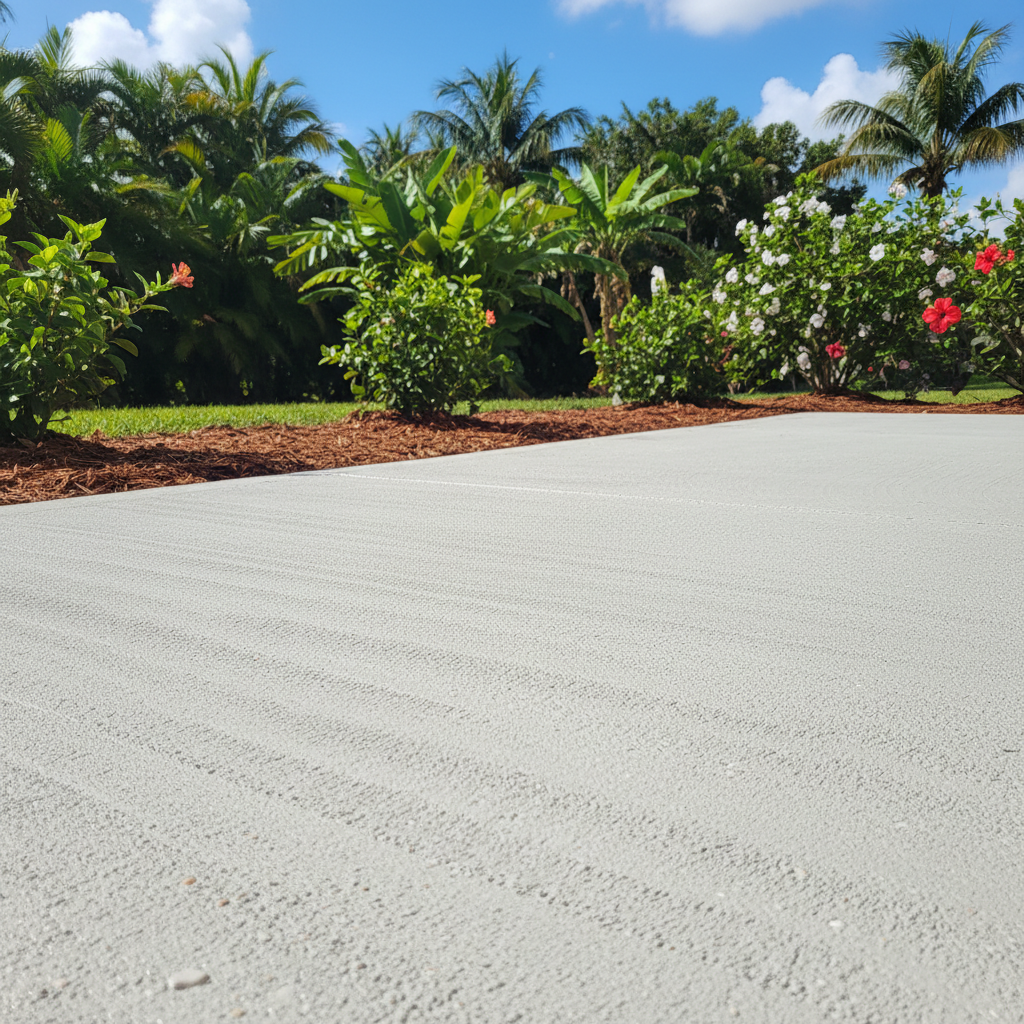
This is probably the most asked question out there, and it's a good one too, because let's face it, nobody wants to wait. Concrete doesn't just dry; it actually cures. That's a chemical process where it hardens and slowly gains strength. You'll often hear us talk about 'initial set' and 'full cure.' The initial set usually happens pretty quickly, within 24-48 hours. This depends on the mix we use, the temperature outside, and even the humidity. During this time, you can usually walk on it carefully, but I definitely wouldn't recommend heavy foot traffic or putting furniture on it. For driveways, you're looking at about 7 days before you can drive a regular car on it. Heavy vehicles, though—like an RV or a moving truck—you really want to give those 28 days for that full, maximum strength cure. Rushing things can lead to cracks or surface damage down the line, and nobody wants that, right? Patience really pays off here, trust me.
What causes concrete to crack, and can it be prevented?
Ah, the dreaded crack. Look, concrete cracks. It's almost inevitable to some degree. It shrinks as it cures, and that shrinkage creates tension. Temperature changes, especially our hot Miramar summers followed by cooler fronts, cause things to expand and contract. Soil movement, particularly with our sandy, sometimes shifting South Florida soil, can also play a role. The good news is, we can control *where* it cracks and minimize how bad it gets. That's where control joints come in. We saw or tool these lines right into the fresh concrete. They create weakened planes, so when the concrete inevitably shrinks or moves, it cracks along those planned lines instead of randomly across your beautiful new patio or driveway. Proper sub-base preparation, getting the water-to-cement ratio just right in the mix, and good curing practices are also super important. We do everything we can to give you a long-lasting, structurally sound slab, but a hairline crack in a control joint isn't usually a structural issue; it's just concrete doing what concrete does.
Do I need a permit for concrete work in Miramar?
Absolutely, you often do. This isn't something to skip, believe me. For most significant concrete projects like a new driveway, a large patio, or any structural slab, the City of Miramar will require a permit. This is for your safety and to make sure the work meets all the local building codes. They want to ensure the drainage is right, the setbacks are correct, and the construction is sound. We handle all the permitting process for our clients here at Miramar Concrete Co. It adds a bit of time to the start of the project, sure, but it protects you, ensures the work is up to snuff, and helps you avoid potential headaches or fines down the road if you ever try to sell your home. Don't let anyone tell you a permit isn't necessary for a big job; they're probably cutting corners.
How do I prepare the site before concrete installation?
Site prep is probably the most important part of the whole job, even if it's the least glamorous. First, we clear the area of any existing structures, vegetation, or debris. Then, we excavate to the proper depth. This is crucial for good drainage and to make sure the slab has a consistent thickness. After that, we lay down and compact a stable sub-base, usually gravel or crushed rock. This provides a uniform bearing surface, helps with drainage, and prevents future settlement. Sometimes we'll add a vapor barrier, especially for interior slabs or if moisture is a concern. Getting this right prevents future problems like cracking, uneven settling, or moisture issues. You can have the best concrete mix in the world, but if the ground underneath isn't ready, you're asking for trouble.
What's the best way to maintain my new concrete?
Once your concrete is cured, maintenance is pretty straightforward, but it's important. First thing, sealing it. We recommend sealing new concrete within the first year, and then every 2-5 years after that, depending on traffic and how much sun it gets. A good sealer protects against stains, moisture penetration, and helps it resist our intense South Florida sun. Keep it clean by sweeping regularly and power washing occasionally – but don't get too aggressive with the pressure washer, you can damage the surface. Try to clean spills quickly, especially oil or chemicals. In Miramar, we don't really deal with freeze-thaw cycles like folks up north, but proper drainage away from the slab is still key to prevent water from sitting and causing issues. Simple, regular care will keep your concrete looking good for decades.
What happens if it rains during or right after concrete is poured?
Rain is definitely a concern, especially here in Florida, isn't it? If it starts raining *during* the pour, that can be a real problem. Too much water added to the mix dilutes it, weakens the concrete, and can wash away the cement paste, leaving a sandy, weak surface. If a light drizzle starts, we might be able to cover it or work quickly to finish and protect it. Heavy rain? We'd likely have to stop and reschedule, no two ways about it. If it rains *after* the concrete is poured but before it's had a chance to set (usually within a few hours), it can damage the surface, leaving pockmarks or an uneven finish. Once the concrete has achieved its initial set, light rain usually isn't a major issue, but we'll still take precautions like covering it if possible to ensure a smooth, strong finish. We always keep a close eye on the forecast, believe me, because nobody wants to pour concrete twice.