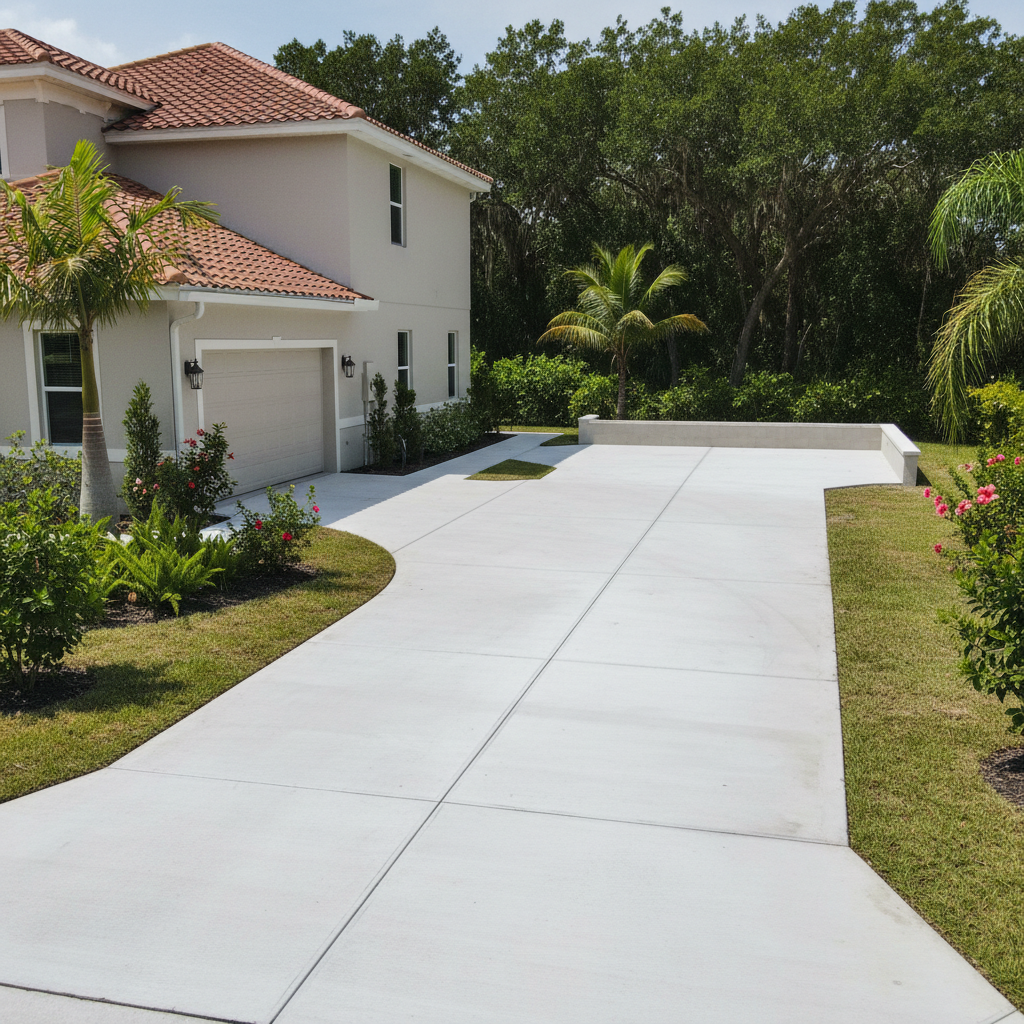
Pouring new concrete is not a weekend project you can finish with a few bags of mix from the hardware store and a rented mixer. Whether you are upgrading a cracked driveway or putting in a new backyard patio, a successful concrete installation takes planning, patience, and a solid understanding of what is happening underground.
Here in Miramar, Miramar Concrete Co deals with everything from sandy pockets to heavy clay soils, especially as you head west toward I-75. Add in our intense summer downpours, and you realize quickly that site prep is not something you rush. Miramar Concrete Co has walked hundreds of homeowners through this exact process, so let us break down what your project actually looks like from start to finish.
The Timeline: How Long Does This Take?
Most residential concrete projects take anywhere from three to five days of actual active work spread across a week or two, depending on weather and curing times.
- Day 1: Excavation, grading, and setting up the sub-base.
- Day 2: Formwork, reinforcement placement, including rebar or wire mesh, and final inspections if your project requires a city permit.
- Day 3: The pour day. This goes fast once the truck arrives, followed by screeding and finishing.
- Days 4 to 10+: Curing time. You can usually walk on it after 24 to 48 hours, but keep heavy vehicles off a new driveway for at least 7 days.
What to Expect During the Process
Expect some noise, heavy equipment in your yard or driveway, and a temporary disruption to your daily routine. On pour day, a concrete truck will need clear access to your property. Miramar Concrete Co always tells homeowners to move parked cars out of the way and make sure pets are safely tucked inside the house.
You will also notice the surface changing color over the first month. Fresh concrete goes through a chemical hydration process, meaning it starts dark and lightens up as it dries out and gains strength. Do not panic if it looks blotchy during the first week; that is entirely normal.
How to Prepare Your Property
You do not need to do all the heavy lifting, but clearing the runway makes our job go much smoother. Clear out patio furniture, potted plants, and lawn ornaments from the work zone. If you have an active sprinkler system near the pour area, let us know so we can mark or cap the heads before digging starts. Also, check with your HOA if you live in a community with strict architectural review boards, because getting that approval ahead of time saves everyone a massive headache.
Questions to Ask Before You Sign
Never sign a contract with a concrete contractor without getting straight answers to these four questions:
- Are you pulling the required Miramar building permits for this specific scope of work?
- What kind of sub-base material and depth are you using to handle local soil conditions?
- Do you use fiber mesh, rebar, or both for structural reinforcement?
- What does your warranty cover regarding cracking and structural shifting?
Getting these details squared away upfront ensures your new concrete handles our South Florida climate and looks great for 15 to 20 years or more.